
Advert
Air Pollution Linked To Higher Odds Of Glaucoma And Cataracts
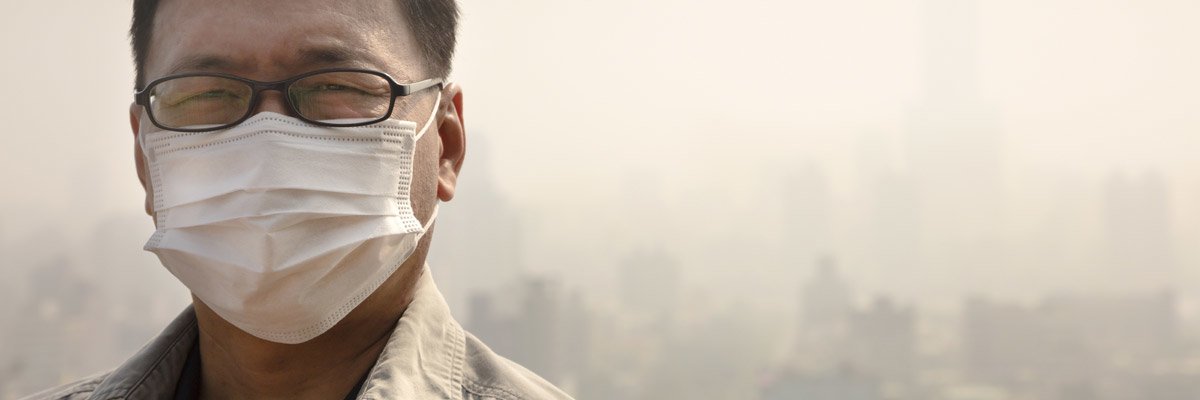
MONDAY, Sept. 14, 2026 (HealthDay News) — Air pollution doesn't just affect your heart and lungs. Your eyes may be at risk, too.
“Every day, we see patients losing vision to conditions like glaucoma and cataract," said Dr. Ahmed Alnabihi from King Khaled Eye Specialist Hospital and Research Center in Riyadh, Saudi Arabia, who led a new study investigating how pollution affects the eyes.
"These diseases are labeled as 'age related' as though aging is the only culprit, but that always felt incomplete to me," he added in a news release. "If something environmental is accelerating these conditions, that changes our thinking and suggests we could take action to reduce the risks.”
Alnabihi’s team analyzed 41 studies involving millions of people and found that exposure to fine particulate air pollution — known as PM2.5 — was linked to a higher risk of glaucoma and cataracts.
These tiny particles are found in smoke, vehicle exhaust and industrial pollution.
People living in the most polluted areas had up to 70% higher odds of glaucoma compared with those in the least polluted areas. Cataract risk was also consistently higher in more polluted areas.
The evidence for age-related macular degeneration was less consistent, although some research supported a link.
Fine particles are thought to cause inflammation and oxidative stress in the body.
"Over years of exposure, these effects may damage the optic nerve, which is relevant to glaucoma, or the lens, which is relevant to cataract," Alnabihi said.
Researchers said these findings strengthen the case for tighter air-quality standards and efforts to reduce pollution, including more green spaces and less traffic in cities.
The findings were presented in London Monday at a meeting of the European Society of Cataract and Refractive Surgeons.
Findings presented at medical meetings are considered preliminary until published in a peer-reviewed journal.
More information
The American Optometric Association has more on cataracts and glaucoma.
SOURCE: HealthDay TV, Sept. 14, 2026
Date Published: 9/14/2026 10:05:02 AM
Related Articles
Search Allergy Articles
Watching the Super Bowl? Doctors Warn About Hidden Health Risks for Fans
Scientists' Push For a Universal Vaccine Takes a Key Step Forward
Tick-Borne Meat Allergy: Many Carry Alpha-Gal Antibodies Without Symptoms
Tick-Borne Meat Allergy Raises Blood Transfusion Reaction Risk
Pediatric Allergy Specialist: Feed Babies Allergenic Foods Earlier, Not Later
Wildfire Smoke Puts Millions At Risk Across Midwest, Northeast
Severe Asthma Often Comes With Other Serious Health Problems
Monthly Injection Could Free People With Severe Asthma From Steroids
GLP-1 Drugs Help Quell Asthma Among Teens Who Are Overweight or Obese
Moderna’s mRNA Flu Vaccine Back Under FDA Review
Watching the Super Bowl? Doctors Warn About Hidden Health Risks for Fans
Moderna Starts Large Bird Flu Study Despite Earlier HHS Funding Loss
New Flu Strain Weakened This Year’s Vaccine Protection, CDC Says
FDA Declines to Review Moderna’s mRNA Flu Vaccine Application